Events
International Conference on Longevity
23 06 2026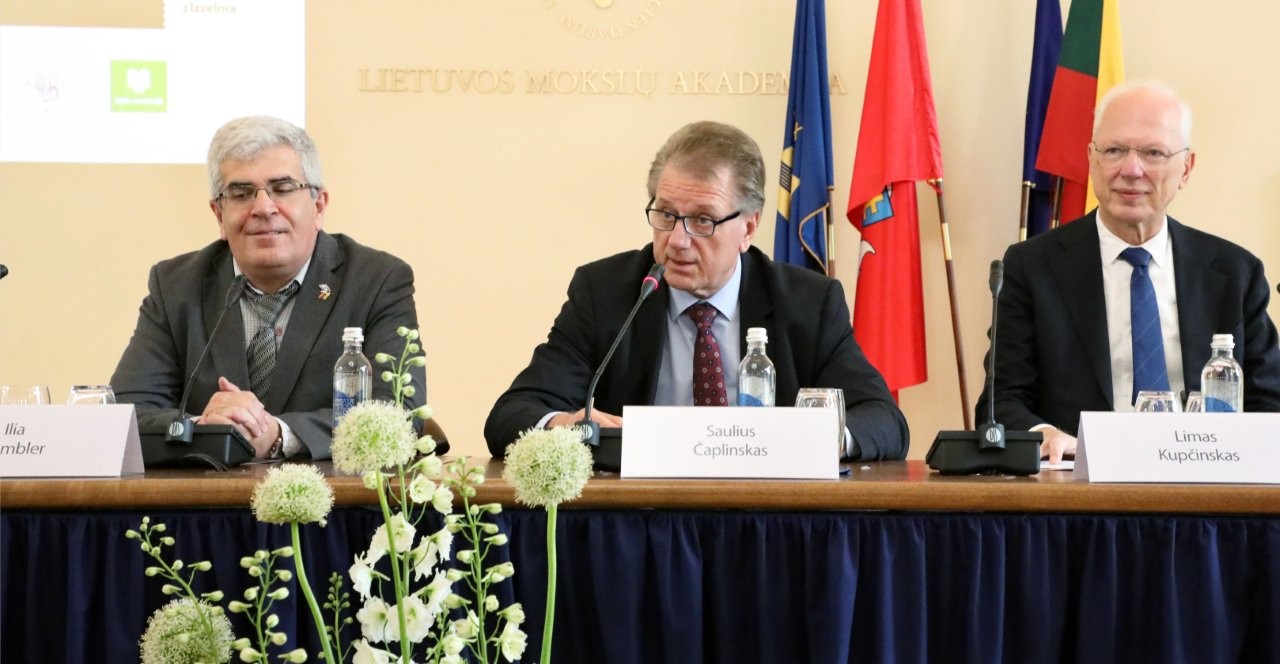
On 11 June 2026, the Division of Biological, Medical, and Geosciences of the Lithuanian Academy of Sciences, together with the Seimas of the Republic of Lithuania, the International Movement for Longevity and Quality of Life (VITEK), Vilnius University, the Lithuanian University of Health Sciences, and several medical professional associations, organised the international conference ‘Basic Mechanisms of Aging and Clinical, Preventive, and Interventional Aspects of Longevity’.
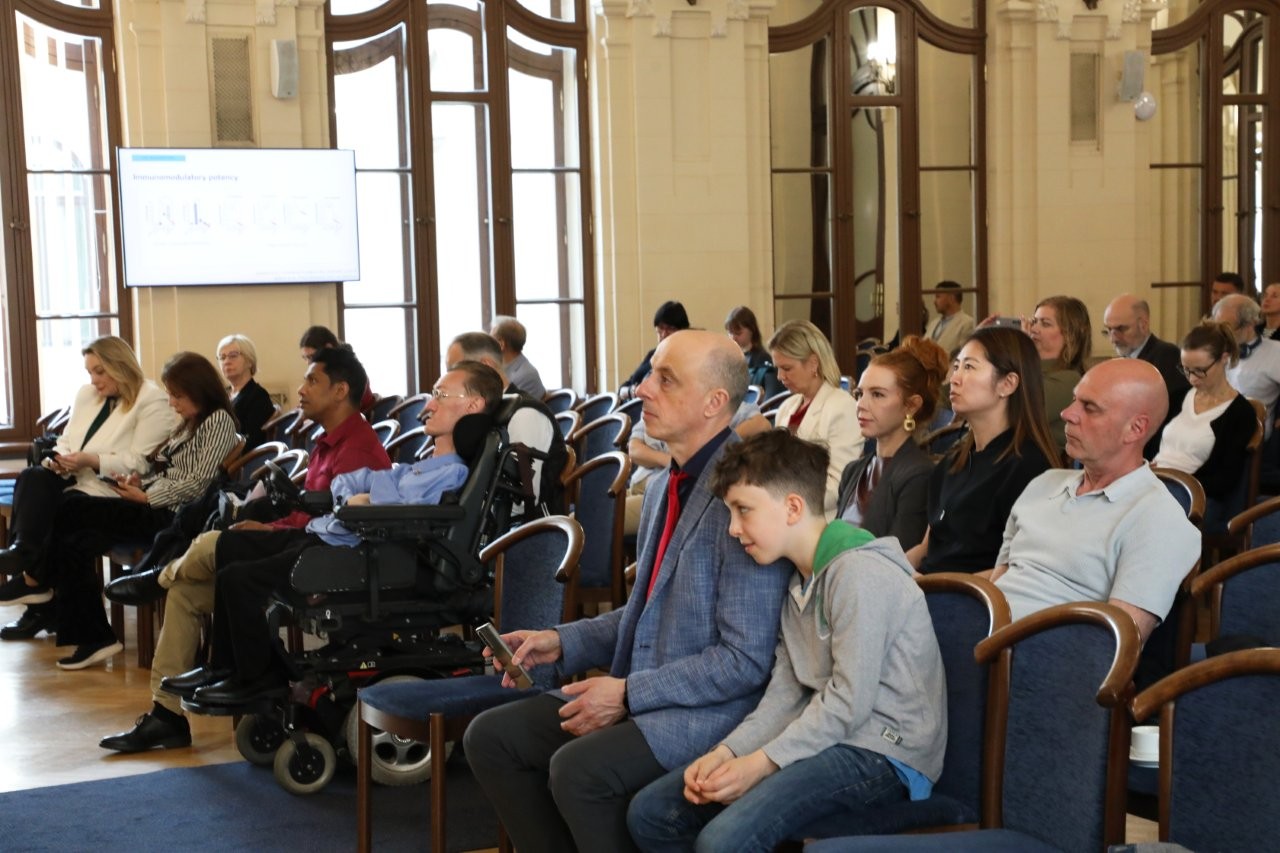
Conference participants
The conference was opened by Prof. Vytautas Nekrošius, president of the Lithuanian Academy of Sciences, Prof. Ilia Stambler (Israel), president of the International Movement for Longevity and Quality of Life (VITEK), Prof. Saulius Čaplinskas, member of the Seimas of the Republic of Lithuania, and Academician Limas Kupčinskas, chair of the Division of Biological, Medical, and Geosciences of the Lithuanian Academy of Sciences.
In their opening addresses, the speakers noted that longevity is increasingly attracting commercial interest. However, they emphasised that this international conference, organised by the Lithuanian Academy of Sciences, was firmly grounded in scientific evidence and objective facts. Researchers from various disciplines presented and discussed the latest findings in longevity research, as well as practical solutions based on robust scientific data.
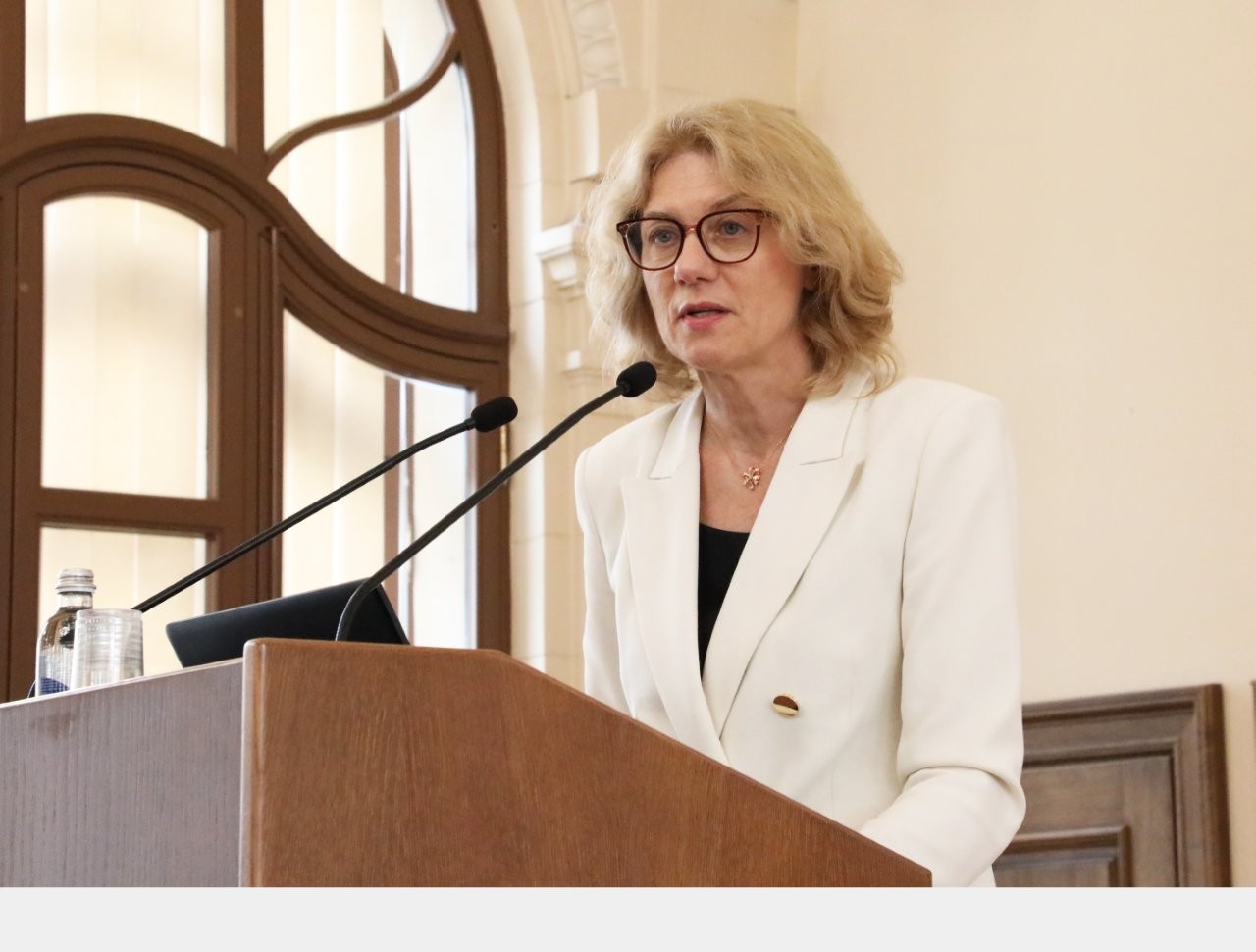
Academician Sonata Jarmalaitė
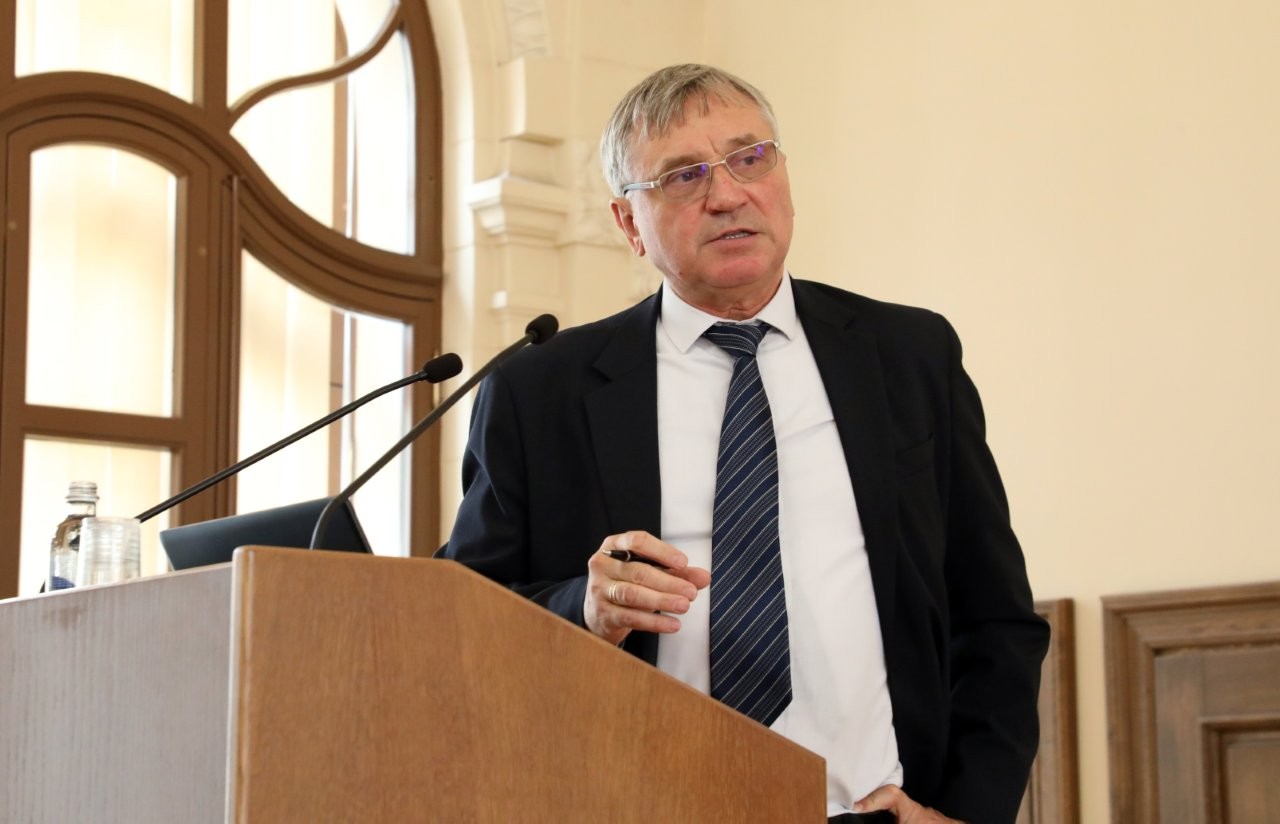
Prof. Romaldas Mačiulaitis
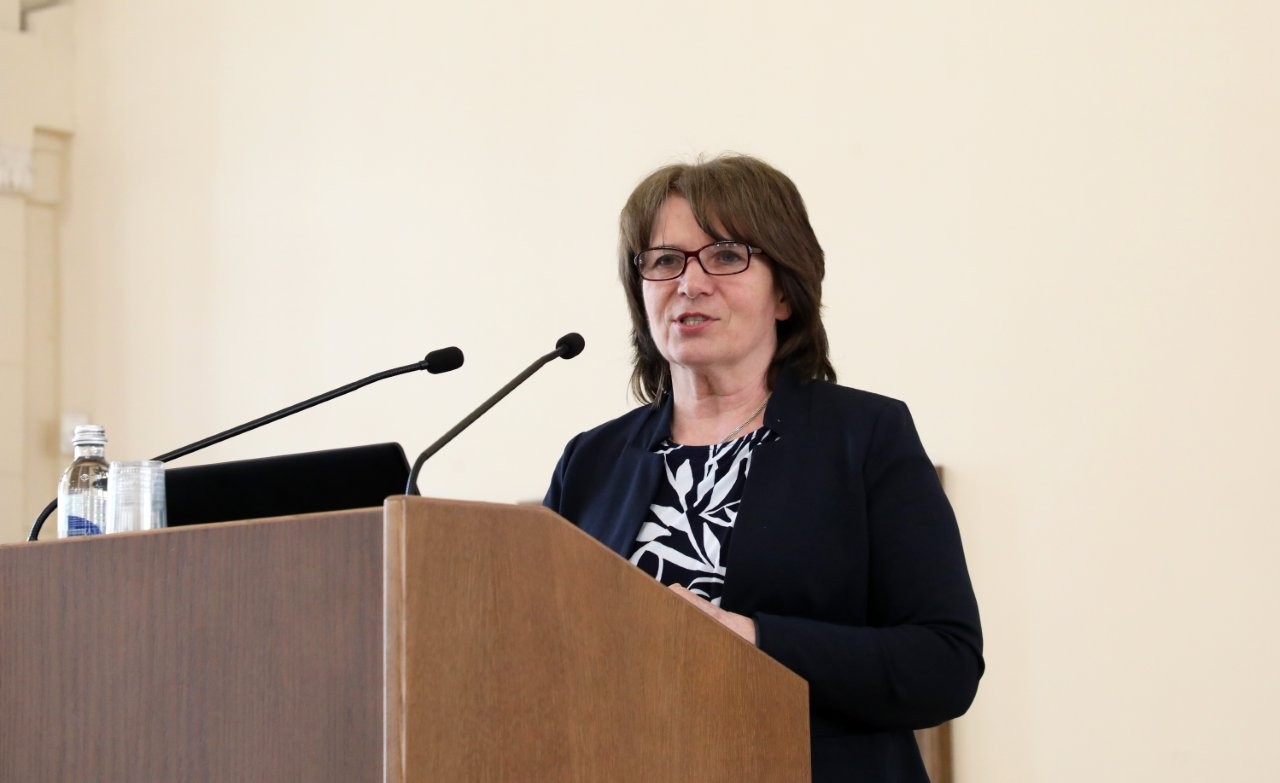
Academician Aurelija Žvirblienė
Conference presentations were delivered by Academician Sonata Jarmalaitė (Vilnius University), Prof. Romaldas Mačiulaitis (Lithuanian University of Health Sciences), Academician Aurelija Žvirblienė (Vilnius University), Prof. Arturas Petronis (Vilnius University / University of Toronto), Dr Darja Nikitina (Lithuanian University of Health Sciences), Dr Uģis Kletnieks (Latvia), Prof. Michal Jazwinski (USA), Dr Tamara Pheiffer (South Africa), Dr Zenfira Gadimova (Azerbaijan), Dr Elizabete Argaļe (Latvia), Prof. Jesper Eugen-Olsen (Denmark), Dr Yuri Ostrinski (Israel), Dr Georgios Mitrou (Cyprus), and Dr Didier Coeurnelle (Belgium).
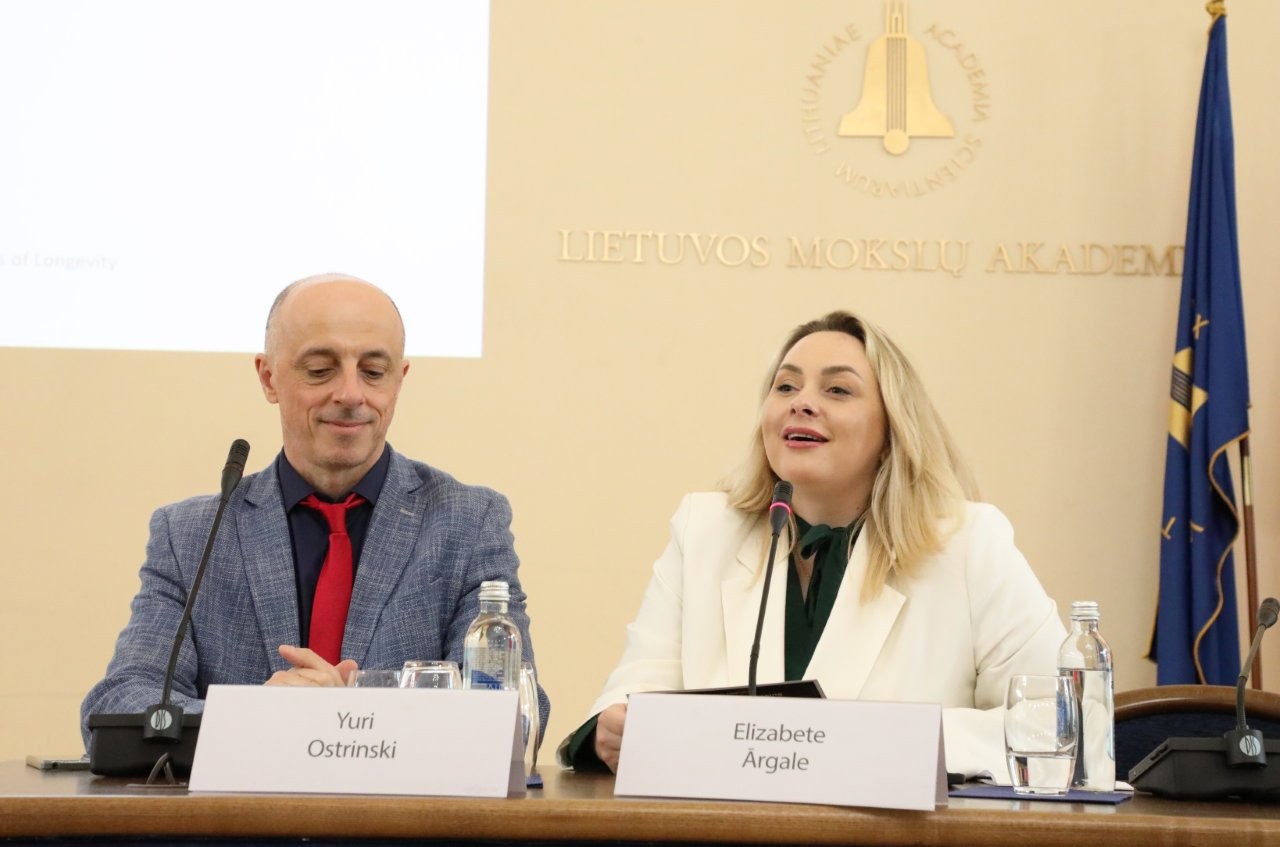
Prof. Yuri Ostrinski and Dr Elizabete Argaļe
During the panel discussions, participants emphasised that population aging is one of the most significant demographical, social, and healthcare challenges of the twenty-first century. Modern science is rapidly expanding our understanding of the genetic, epigenetic, immunological, metabolic, and other mechanisms underlying aging; nevertheless, many aging-related processes remain highly complex and not yet fully understood.
The participants stressed that increased life expectancy should not be measured solely by the number of years lived, but above all by the extension of healthy, independent, and high-quality years of life. A healthy lifestyle, a balanced diet, regular physical activity, avoidance of harmful habits, vaccination, prevention of chronic diseases, early diagnosis, and access to high-quality healthcare remain the most reliable evidence-based strategies for promoting longevity.
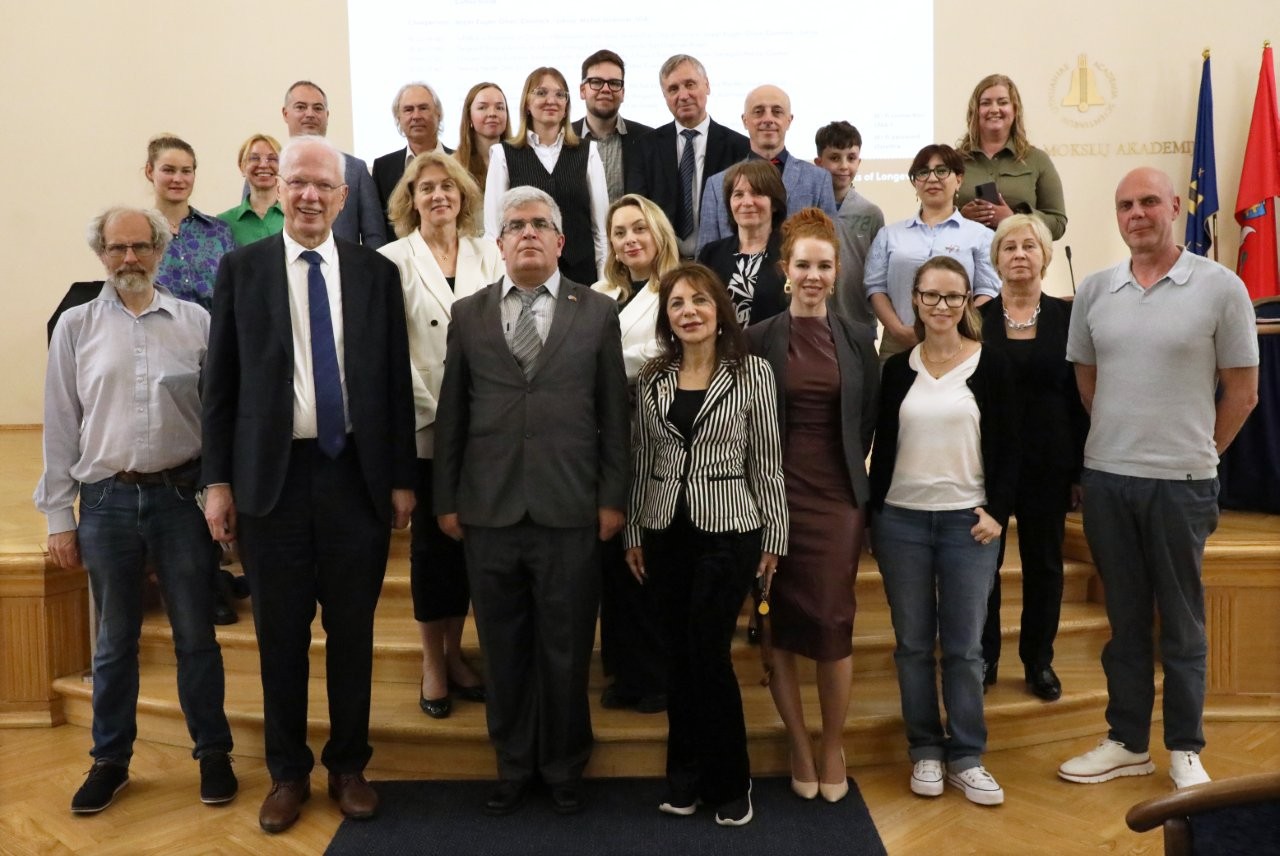
Conference speakers and organizers
New technologies, biomarkers, artificial intelligence applications, and personalised medicine approaches offer considerable potential for extending healthy longevity. However, their implementation must be guided by rigorous scientific evidence and validated through well-designed clinical trials.
Academician Limas Kupčinskas, chair of the Division of Biological, Medical, and Geosciences
Photos by Virginija Valuckienė


