Events
A Look at Scientific, Economic, Geopolitical, and Social Shifts at the General Assembly of the Lithuanian Academy of Sciences
15 06 2026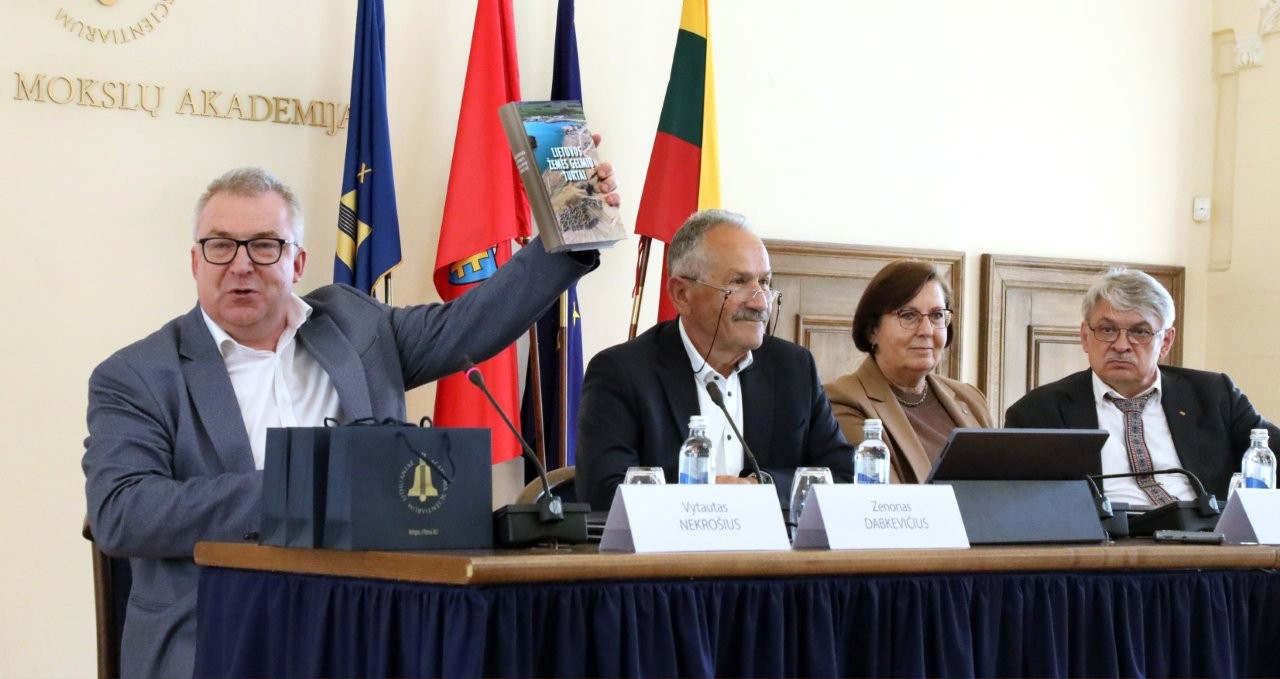
The General Assembly of the Lithuanian Academy of Sciences, which was held on 9 June 2026, was attended by Dr Eglė Radzevičienė, chair of the board of the Future Biomedicine Foundation, Dr Eglė Mažeikė, director of this foundation, as well as invited speakers: Ambassador Asta Skaisgirytė, senior advisor to the President of the Republic of Lithuania and head of the Foreign Policy Group, and Eimantas Kiudulas, head of the Klaipėda Free Economic Zone management company, by award recipients, members of the Young Academy of the Lithuanian Academy of Sciences (LMAJA), the staff of the Academy, and other guests.
After the opening address and preliminaries, Prof. Vytautas Nekrošius, president of the Lithuanian Academy of Sciences, expressed his delight at the book Lietuvos žemės gelmių turtai (The Underground Resources of Lithuania), the most recent publication of the Lithuanian Academy of Sciences, and thanked its executive editor, Academician Algimantas Grigelis, and the entire team of authors for their work in preparing it.
This was followed by the ceremony of awarding prizes to the winners of the Lithuanian Academy of Sciences and the Future Biomedicine Foundation. According to Dr Eglė Mažeikė, director of the Future Biomedicine Foundation, these awards represent a particularly important initiative to thank young scientists working in the area of personalised medicine in the fields of medicine and life sciences for their significant research, high-level scientific achievements, innovative ideas, and the implementation and dissemination of these ideas in Lithuania. She pointed out that
personalised medicine is important to each and every one of us. It means that in the future, health decisions will be made with greater precision – not only based on a diagnosis or general treatment guidelines, but also on a specific person’s biology, disease mechanisms, data, and individual response to treatment.
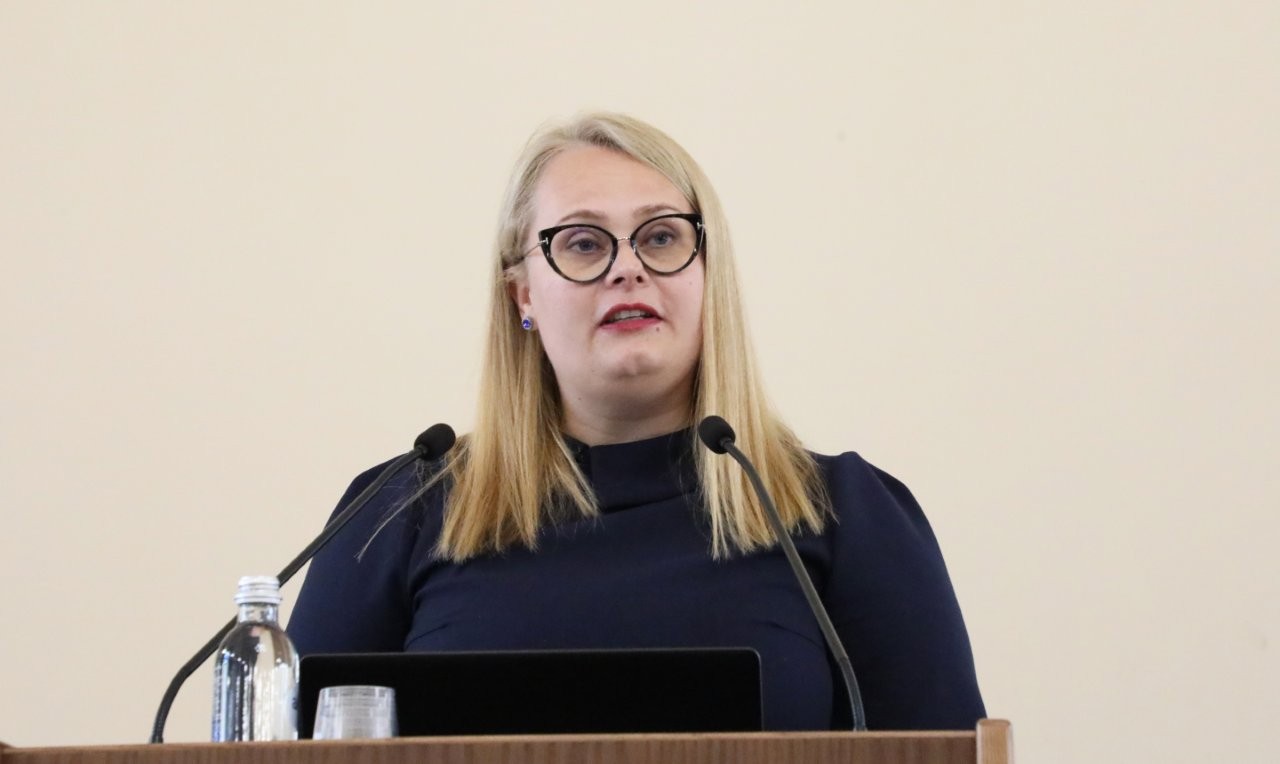
Dr Eglė Mažeikė, director of the Future Biomedicine Foundation
Although the award regulations stipulate that two awards – one in the field of medicine and health sciences, and the other in the life sciences – are presented each year, given the annually growing interest in the competition for this award (21 applications were received this year), the high quality of the applications, and the committee’s evaluations, it was decided to award three prizes in 2026. Dr Arnas Karužas (Lithuanian University of Health Sciences) received the award in the field of medicine for his work ‘Application of deep neural networks for the automated echocardiographic diagnosis of heart failure and aortic changes at rest and during exercise’. In the category of the life sciences, awards were presented to Dr Solveiga Samulėnaitė (Vilnius University) for her work ‘The role of the gut microbiota in the development of eating disorders’ and to Dr Ilona Uzielienė (Centre for Innovative Medicine) for her study ‘Toward advanced cartilage regeneration: extracellular vesicles and their application in load-sensitive cartilage scaffolds’.
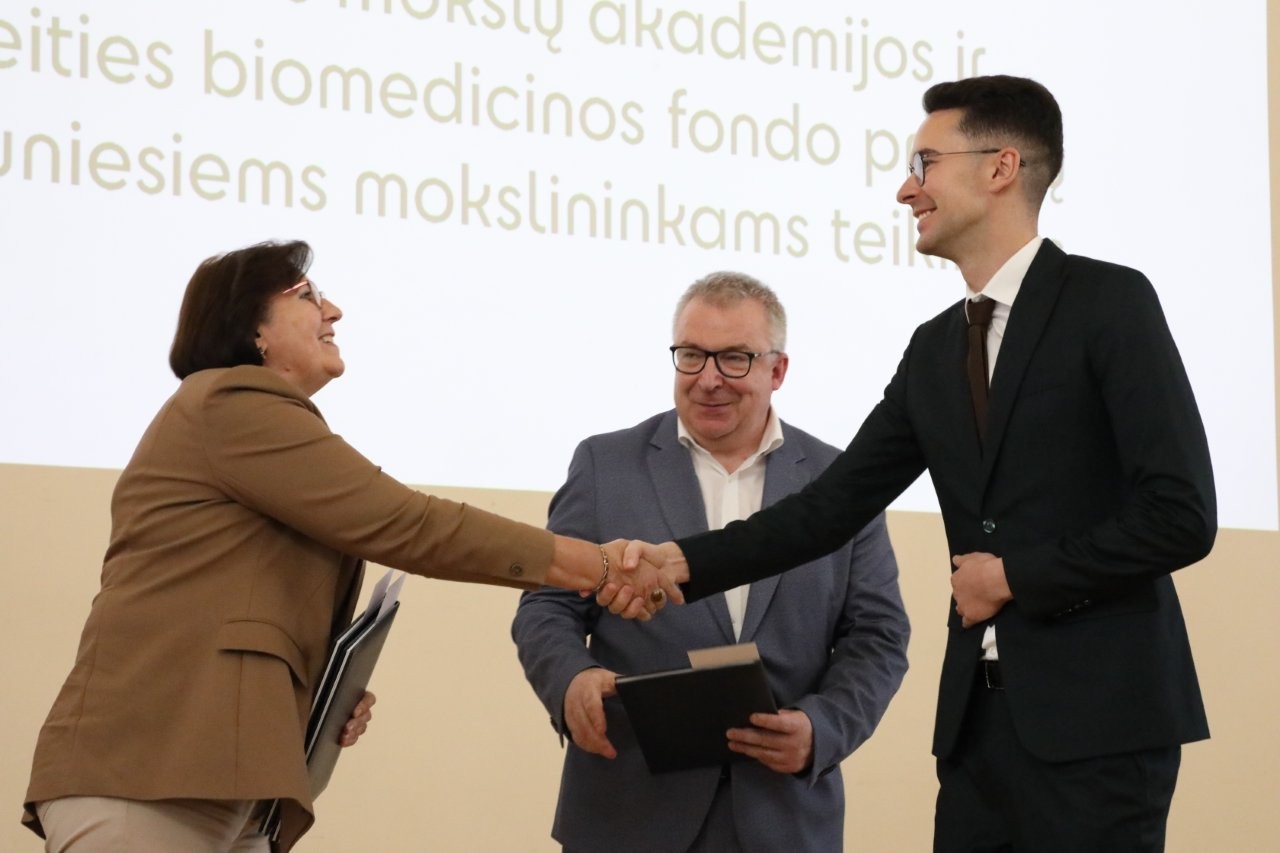
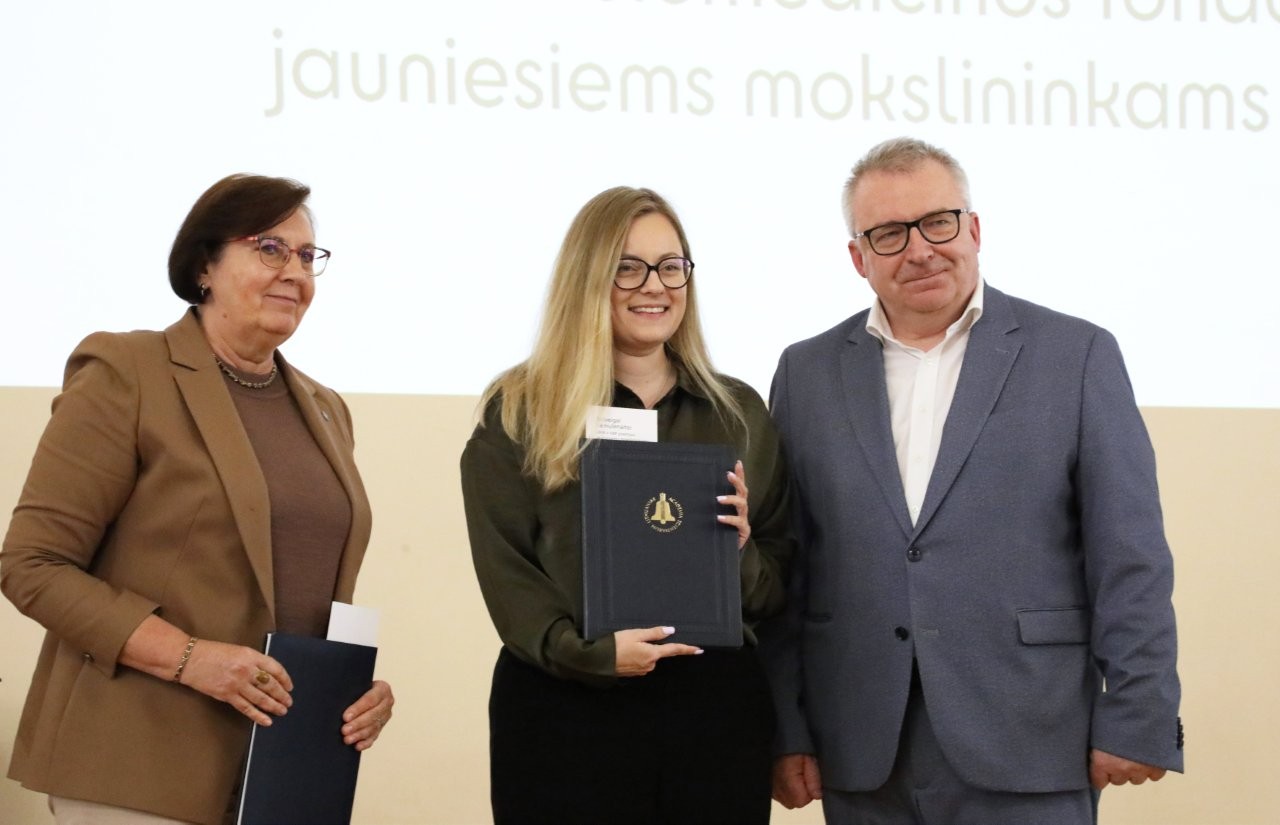
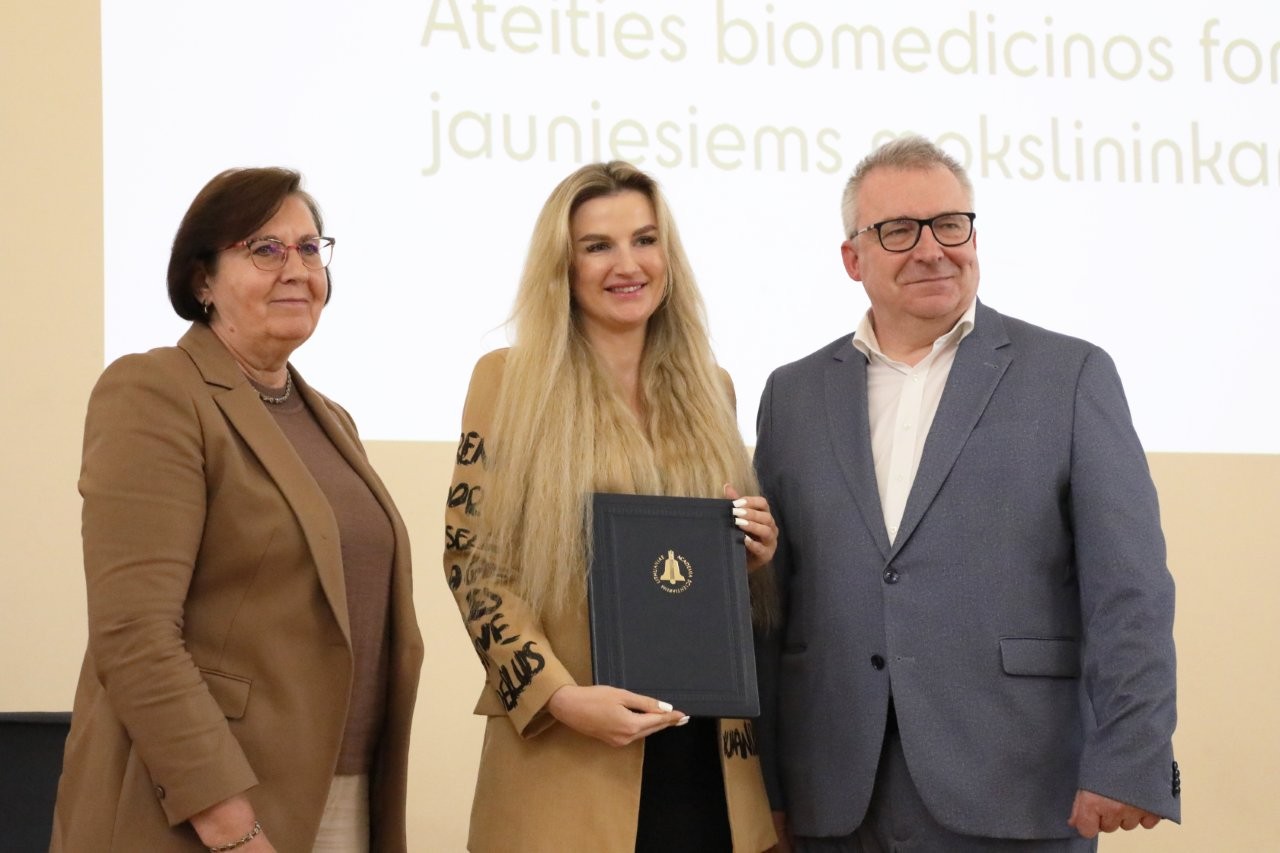
Dr Eglė Radzevičienė, chair of the board of the Future Biomedicine Foundation, and Prof. Vytautas Nekrošius, president of the Lithuanian Academy of Sciences, congratulate the winners of the Lithuanian Academy of Sciences and Future Biomedicine Foundation award: Dr Arnas Karužas, Dr Solveiga Samulėnaitė, and Dr Ilona Uzielienė
At the conclusion of the awards ceremony, Academician Zenonas Dabkevičius thanked Academician Arvydas Janulaitis, the founder of the Future Biomedicine Foundation, and expressed his delight at the fact that Academician Vladas Algirdas Bumelis is also establishing a foundation to support young scientists.
Three presentations were delivered during the second part of the general assembly of the Lithuanian Academy of Sciences. In discussing contemporary geopolitical challenges and foreign policy priorities, Ambassador Asta Skaisgirytė, senior advisor to the President of the Republic of Lithuania, noted: ‘Against the backdrop of Russian aggression in Ukraine, Lithuania continues to strengthen its defence capabilities, accelerate programmes of military readiness, and expand cooperation with NATO allies to ensure the resilience of society.’ According to her, even if Russia does not wage a new large-scale war, the danger of isolated attacks, terror acts, infrastructure violations, and hybrid threats remains evident; therefore, the 5.4 per cent of gross domestic product (GDP) allocated to Lithuania’s defence must be spent transparently and rationally, and by the end of 2027, our country is expected to host a brigade of 5,000 German soldiers.
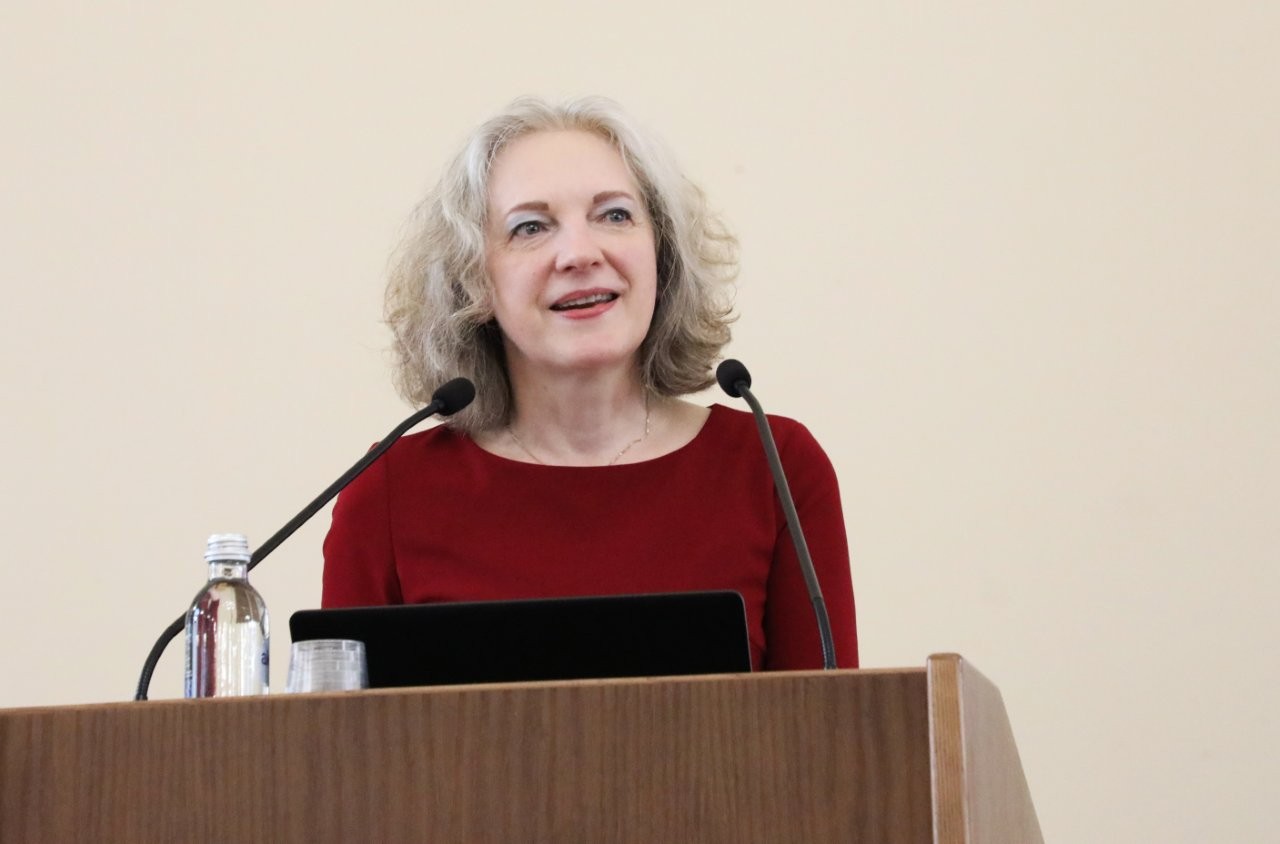
Ambassador Asta Skaisgirytė, senior advisor to the President of the Republic of Lithuania and head of the Foreign Policy Group
Asta Skaisgirytė noted that one of our most important tasks is to learn the lessons of the war in Ukraine and apply them to the needs of Lithuania’s security. This requires strengthening cooperation between Lithuania and Ukraine, particularly in the development of defence technologies. This year, the presidents of Lithuania and Ukraine signed a historic agreement under which joint production of defence equipment and drones is set to begin in Lithuania. The ambassador noted that support for Ukraine remains one of Lithuania’s priorities: in 2024, Lithuania committed to allocating 0.25 per cent of its GDP annually for a period of ten years to meet Ukraine’s security and defence needs. Assistance to Ukraine is also important in the process of EU integration.
Skaisgirytė also discussed the weakening of Russia and increasing costs of the war for this purpose. This is being achieved through sanctions packages, which, although they do not yield immediate results, are putting a strain on the Russian economy. It is also important to continue reducing Russia’s participation in international organisations, consistently identifying it as an aggressor and demanding that it take responsibility for its crimes. Skaisgirytė noted that, unfortunately, we must acknowledge that the world is not united in its assessment of Russian expansionism. Russia continues to exploit multilateral forums for spreading its narratives and justifying the Soviet occupation, while Russian culture is still showcased at the headquarters of international organisations. The influence of the so-called Global South countries, previously considered developing nations, is growing. The ‘classical West’ is becoming a value-based minority, and a transactional, rather than value-based, approach is increasingly establishing itself as the norm in international relations. The speaker noted that the global democratic environment is under extreme pressure. The latest Democracy Index shows that only 6 per cent of the world’s population live in full democracies, while as many as 39 per cent live under authoritarian regimes.
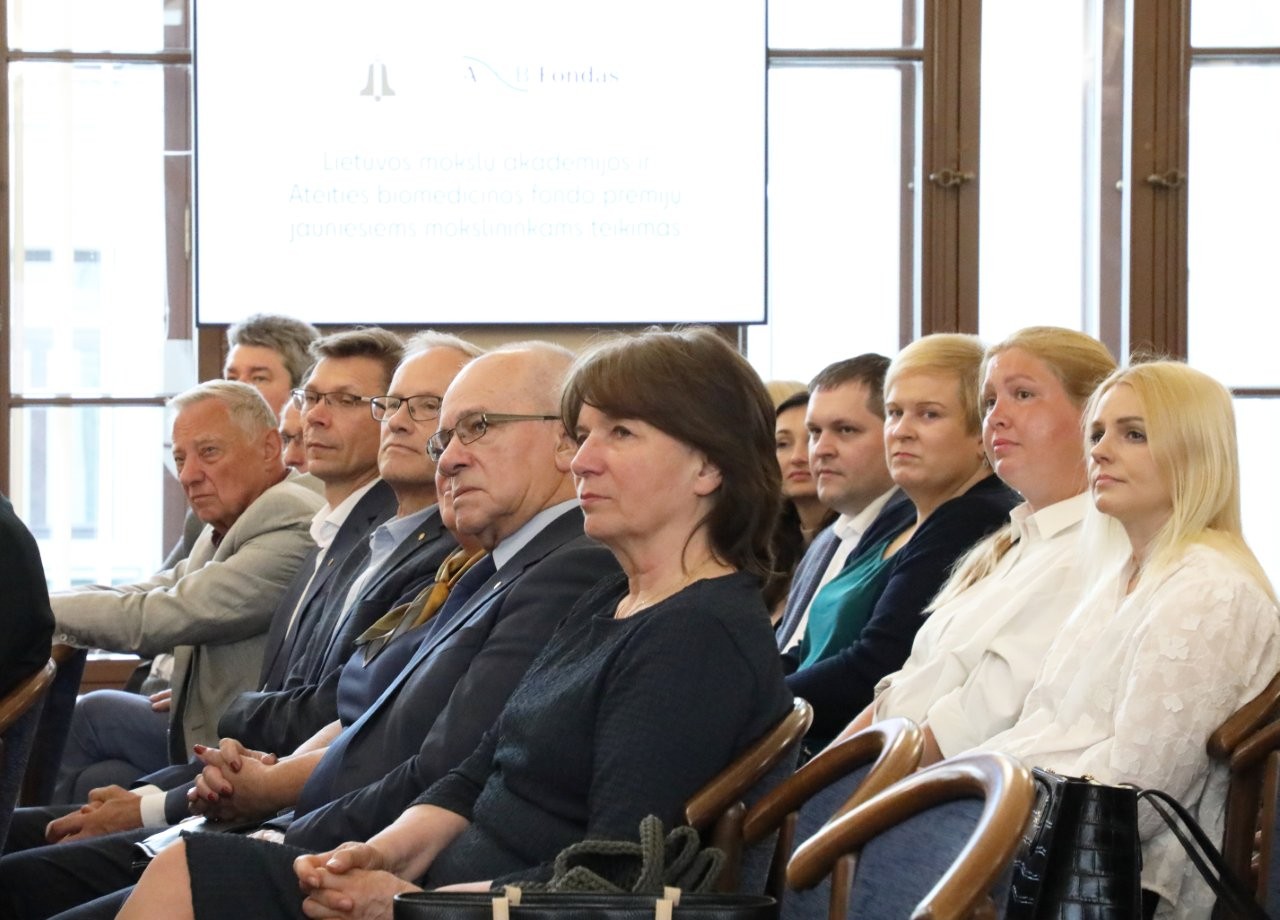
Participants in the General Assembly of the Lithuanian Academy of Sciences
Discussing the current geopolitical situation, the ambassador also highlighted a new approach of the USA in its domestic and foreign policies:
The USA is NATO’s strongest pillar and the guarantor of security in Europe. We saw very decisive American actions regarding Iran: this sent an extremely strong signal to all authoritarian regimes that grossly violate international principles. One hopes that Russia has also drawn the appropriate conclusions from this.
According to Asta Skaisgirytė, we must continue to invest in transatlantic relations. There are several areas in which Lithuania could offer cooperation with the USA. These include a strengthening partnership in the defence industry and the energy sector. Currently, as much as 70 per cent of the liquefied natural gas arriving at the Klaipėda terminal comes from the USA, and these supply volumes could be expanded even further to serve the entire region. Another important area is small modular reactors. Although research is still underway and development has not yet gained momentum, Lithuania has already become actively involved in this process.
In her presentation, Skaisgirytė also mentioned the important role of Lithuania during its EU Council Presidency in 2027. This is an opportunity to accelerate progress on issues of importance to our country. Lithuania’s priorities at this stage include European security and defence, EU enlargement with a primary focus on Ukraine and Moldova, support for Ukraine, sanctions policy, and the preservation of historical memory.
Cultural and scientific diplomacy are also identified as key priorities, as it is precisely through academic networks, knowledge exchange, and innovation that Lithuania is expanding its cooperation with international scientific communities, along with the policy to attracting the return of Lithuanian talent to the country.
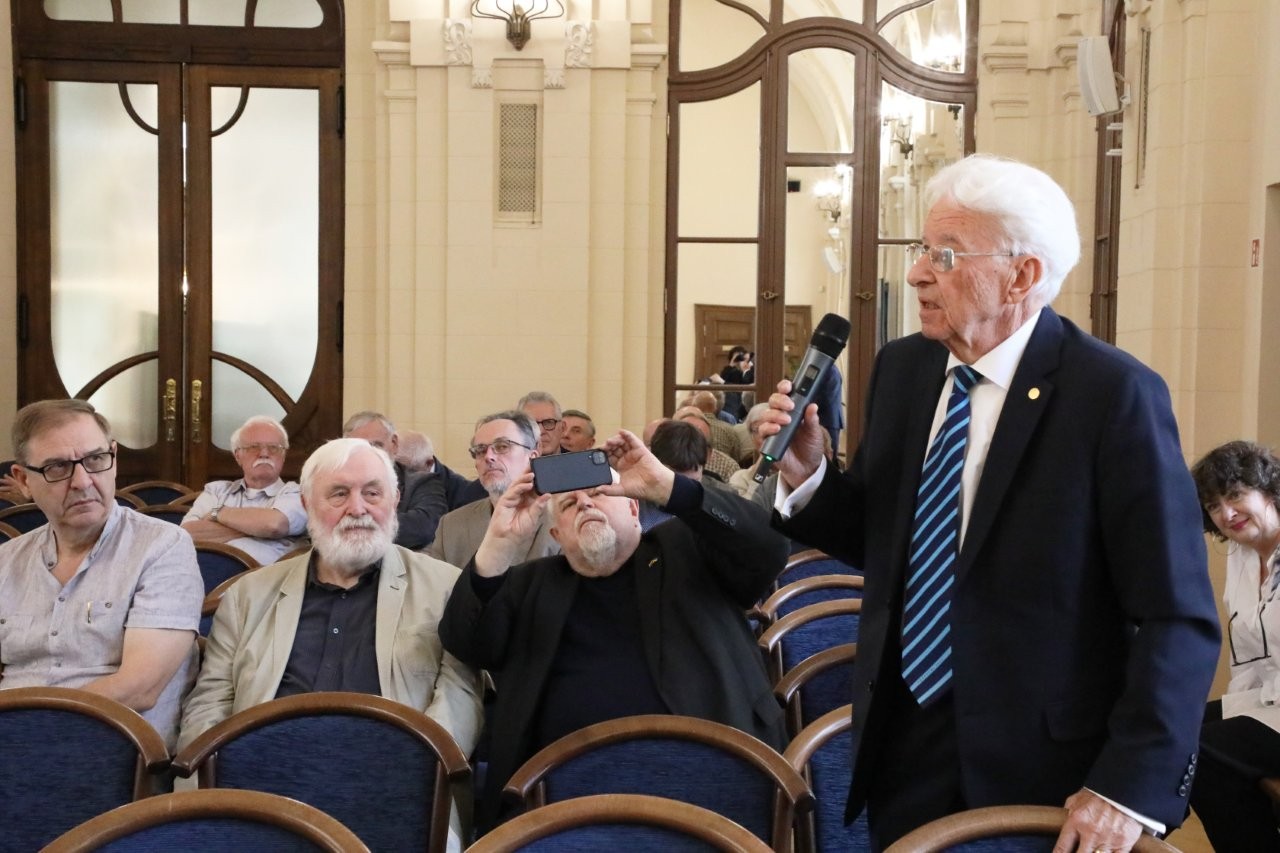
Academician Benediktas Juodka asking whether, given the current geopolitical context, the Nordic and Baltic countries are acting in a sufficiently coordinated manner
Drawing on his many years of experience, Eimantas Kiudulas, head of the Klaipėda Free Economic Zone management company, explained how to attract investors to Lithuania and what is needed for successful regional economic development. He recalled how two decades ago, on a vacant plot of land, they began developing a new part of the city of Klaipėda, complete with factories, innovation and expertise centres. ‘We started from scratch, and today our work already accounts for about 20 per cent of Klaipėda’s economy.’ Attracting investors has contributed to the prosperity of both Klaipėda and Lithuania. When the first foreign investor – a Danish fish-processing company – was attracted to the Klaipėda FEZ, wages in Klaipėda rose by 10–15 per cent due to competition with local businesses.
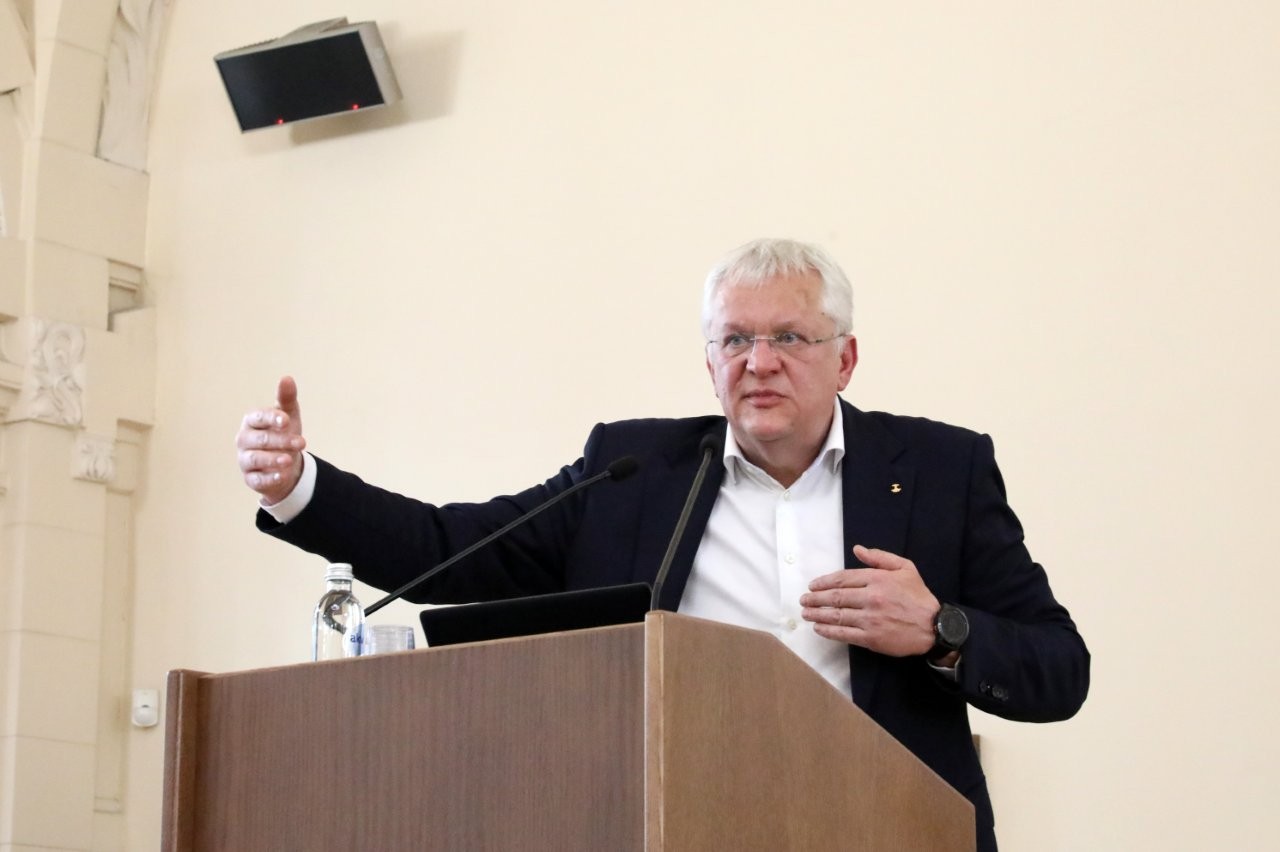
Eimantas Kiudulas, CEO of the Klaipėda Free Economic Zone management company, sharing his experience and insights
Currently, the Klaipėda FEZ community consists of about 100 companies and 50 individual projects. The state has invested about €30 million, which has attracted €900 million in business investment; as a result, the state annually receives about €220 million in taxes, and additional €120 million are spent on goods and services in Lithuania. In this new phase of development, the Klaipėda FEZ is beginning to build an innovation campus, to which high-value-added companies, centres of expertise, and innovation hubs will be invited.
What are the keys to such success? According to Kiudulas, investors and shareholders have made it clear that this regional project was a long-term endeavour. Its evaluation is based not on a return on investment within a few years, but rather on a long-term perspective. Another essential factor for success is cooperation between the state, local government, and the business community, without which such projects simply would not succeed. Kiudulas explained the significance of three aspects: (1) clearly defined common goals, (2) an agreed-upon mechanism for cooperation (the board of the Klaipėda FEZ includes one representative each from the Ministry of Economy and Innovation of the Republic of Lithuania and the Klaipėda City Municipality), and (3) an agreement on the proportions of state and private capital investments. Another essential factor in regional development is the so-called ‘driving force’, that is, the initiator or project owner who initiates change; in other words, the person who ‘gets the project off the ground’. Such a role is played by the FEZ management company, although such a driving force can also be a company founder or a city mayor.
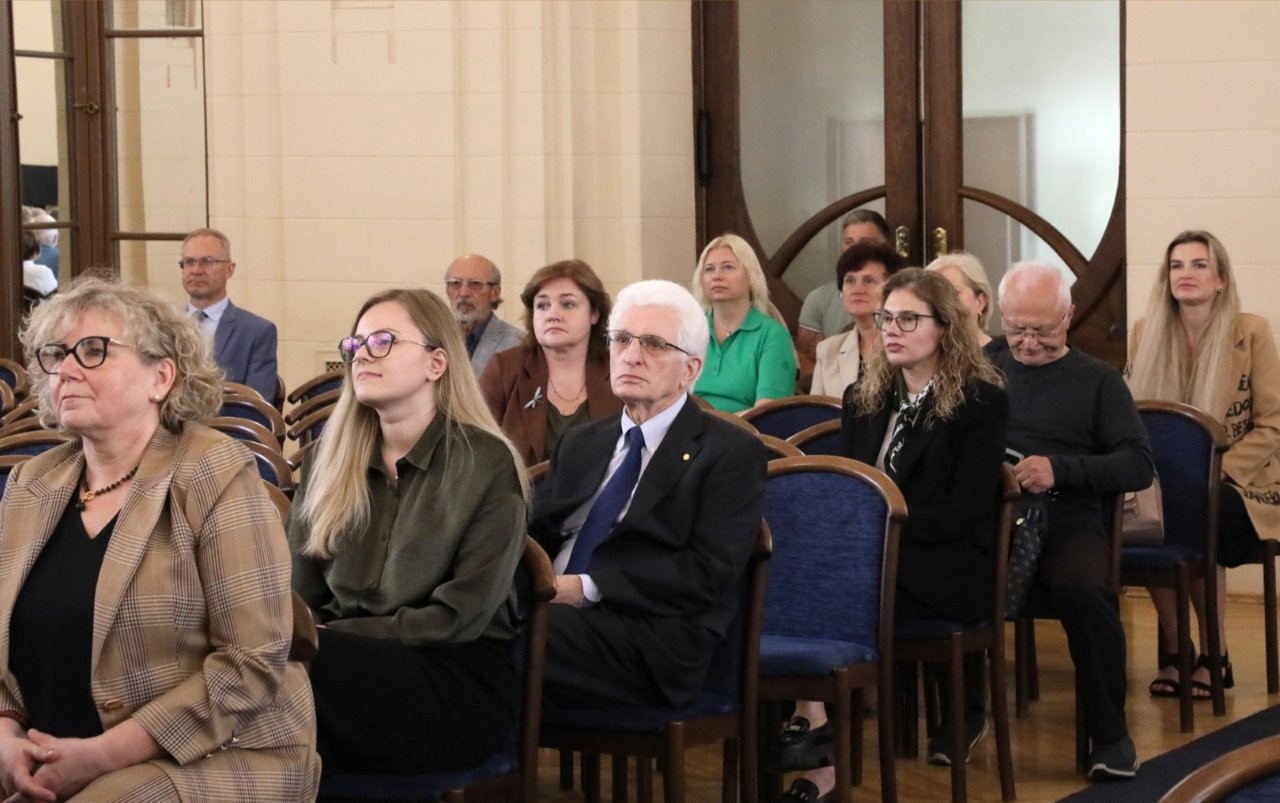
Assembly participants
Eimantas Kiudulas sees a slowdown in economic growth. The competitive environment has fundamentally changed: if a decade ago, it was easier to attract investors due to lower prices and a cheaper labour force, today the situation is different: ‘We are more expensive than many regions in Poland. To attract foreign investors and convince local businesses to stay, we need to be more ingenious and work on projects that generate much greater added value.’ The head of the Klaipėda FEZ management company pointed out that the situation is further complicated by security concerns, as one in two – or even two out of three – foreign investors view Lithuania as a frontline state. This perception stems from the geographical proximity to Minsk and reports of drones appearing in the country. It is practically impossible to expect a large influx of foreign investors, so new projects, new tools, and new approaches are needed to stimulate regional growth. According to Kiudulas, the withdrawal of investors should be viewed as a natural change; what matters is that the number of incoming investors exceeds the number of outgoing ones.
There are many challenges in attracting investors. One of the main ones is that due to lower labour productivity, we are still not as economically competitive as the Scandinavian countries. Also, the collaboration between academia and business still leaves much to be desired. Universities and business centres are concentrated mainly around Vilnius and Kaunas, while the regions face a shortage of ‘know-how’ (best practices). Particular attention must be paid not only to investment in physical infrastructure but also in ‘soft’ infrastructure, i.e., people and their skills.
Drawing on the project ‘The demographic, economic, energy, food, and epidemiological resilience of modern Lithuanian society and the nation (1883–2023)’ that he is completing together with other researchers, Academician Zenonas Norkus assessed how modern Lithuania’s resilience to shocks had changed and how this resilience could be increased. Shocks are defined as unexpected upheavals or catastrophes. The worst shocks Lithuania had faced were the First and the Second world wars. Wars cause not just one but several overlapping shocks: demographic, energy, epidemiological, food, and others.
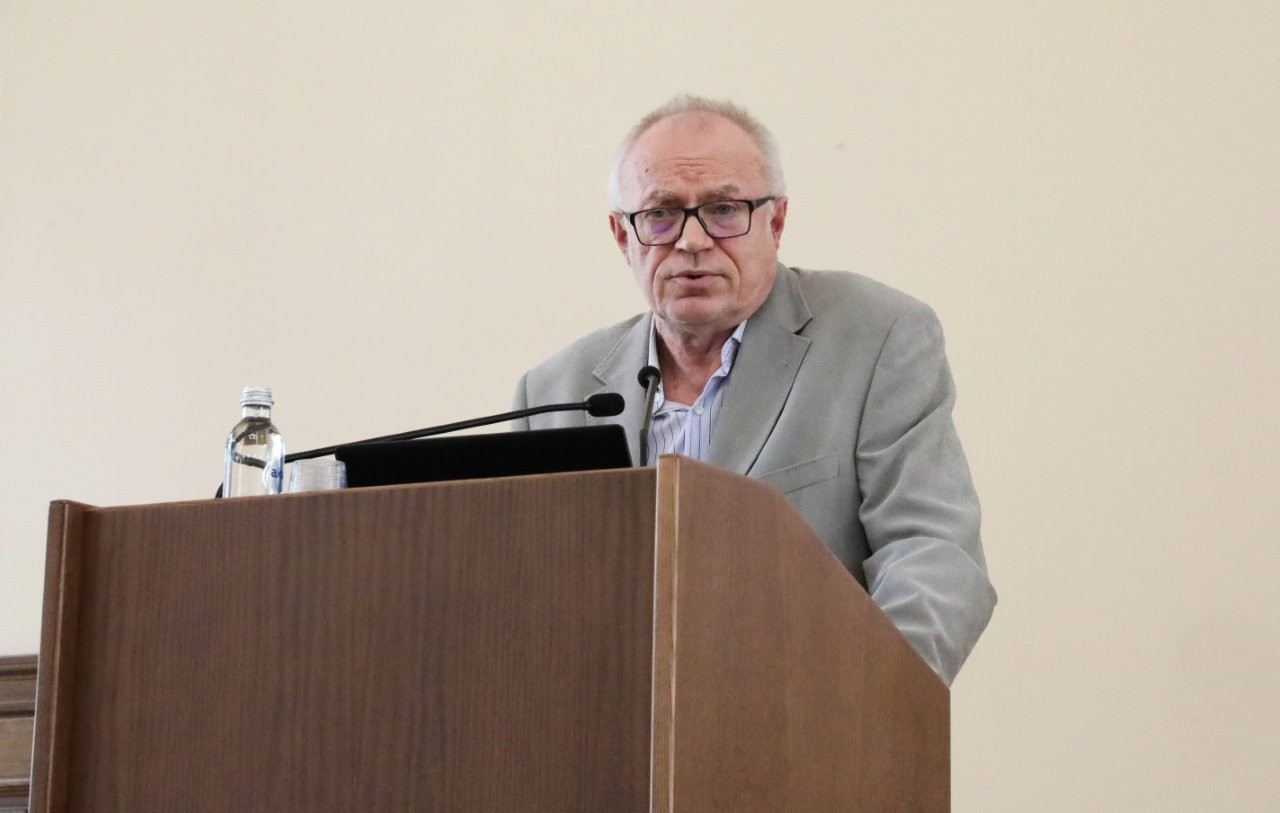
Academician Zenonas Norkus explaining the ways to strengthen Lithuania’s resilience to the shock of war
The magnitude of the demographic shock is indicated by the difference between the pre-war population and the population at the point when the decline reaches its lowest point during the entire war period. Demographic recovery after the First and the Second world wars each took approximately 24 years. After the First World War, the pre-war population recovered through natural population growth, while after the Second World War, immigration from other Soviet republics was the main factor contributing to recovery. Academician Norkus stated that if weapons of mass destruction were to be used, the vulnerability of Lithuania’s population today is greater due to the concentration of residents in the country’s major cities. On the eve of the Second World War, only 15 per cent of the population lived in the country’s five major cities, whereas today that figure exceeds 43 per cent.
Food and energy are identified as essential factors in helping the civilian population survive during wartime. According to Academician Z. Norkus, modern-day Lithuania is far less energy-resilient than it was during the First and Second world wars. On the eve of the Second World War, Lithuania met only 25–30 per cent of its energy needs using imported fossil fuels, which, if necessary, could be replaced with local sources (peat, firewood). Today, 70 per cent of primary energy needs are met using imported fossil fuels. The level of electrification was low – electricity was used only in cities, solely for lighting, and was generated by numerous small power plants, whereas now everything in Lithuania is electrified, and electricity is supplied centrally. A new National Energy Independence Strategy was recently approved, which by 2050 aims to meet all of Lithuania’s energy needs from local energy resources, thereby restoring the country’s energy independence and strengthening its energy resilience. According to the academician, it is necessary to encourage electricity generation in every way possible, such as by having homeowners install solar panels on their roofs and set up storage systems; it is also important to accelerate the transition to electric vehicles.
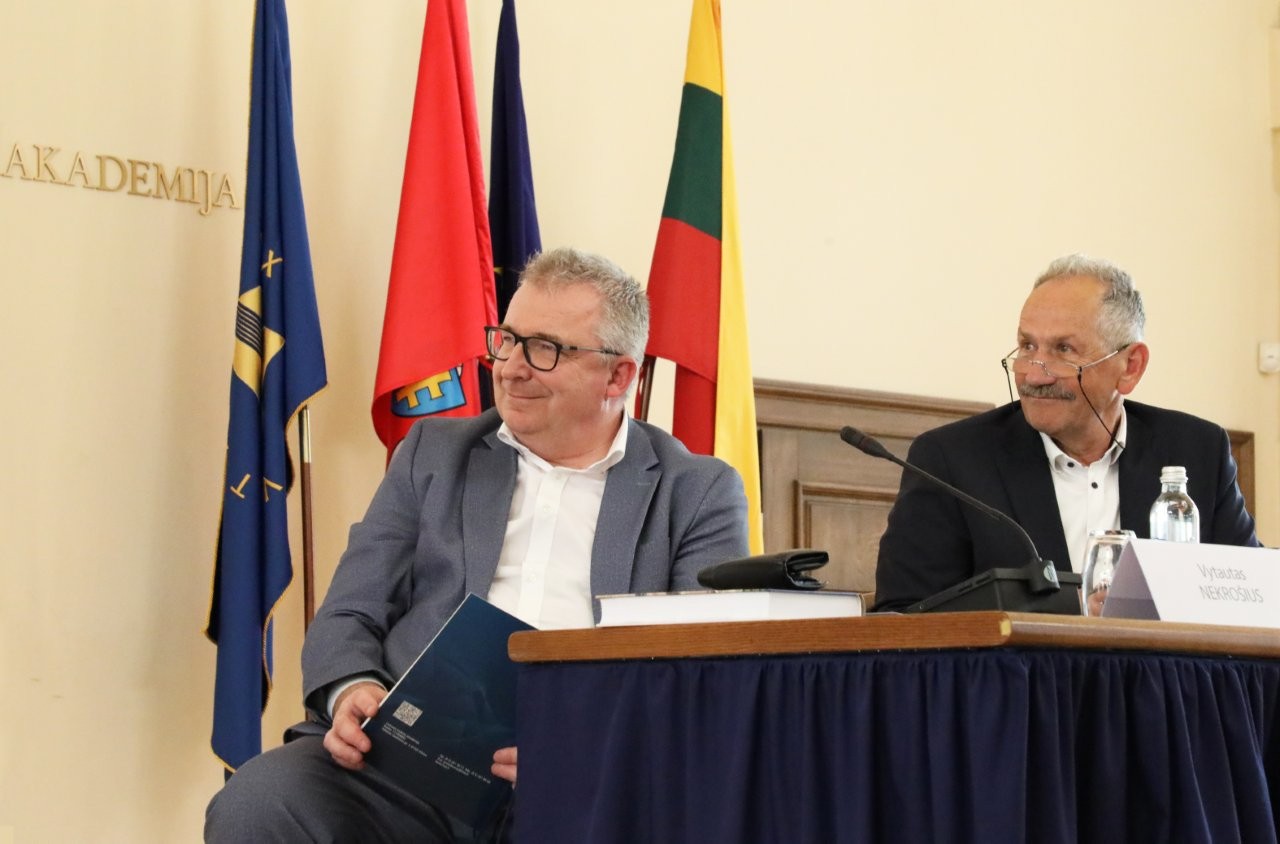
President of the Lithuanian Academy of Sciences Prof. Vytautas Nekrošius and Secretary General (Chancellor) Prof. Zenonas Dabkevičius listening to the presentations
As the number of people working in agriculture and capable of providing for themselves has fallen significantly, food security of the modern Lithuanian population has decreased drastically compared to what it used to be during the First and the Second world wars. The nature of agricultural production has also changed: if the supply of fuel, electricity, fertilisers, and plant protection products were to be disrupted, agricultural production would plummet. The academician proposed considering the possibility of launching a broad public relations campaign highlighting the benefits of household food production and to impose additional land and property taxes if owners of rural agricultural holdings do not use them for their own agricultural production.
Academician Zenonas Norkus had other proposals on how to generate revenue for the state budget. For example, he proposed reviving the practice in effect during the German occupation of taxing urban residents’ pets, a temporary halt of the phasing out of cash from circulation and imposition of a 1–2 per cent tax on cash transactions. Given that we live in a forested region where it is more difficult to deploy unmanned aerial vehicles, he proposed to consider temporarily suspending the logging of mature forests of strategic defence importance.
At the end of the assembly, Prof. Dabkevičius, secretary general (chancellor) of the Lithuanian Academy of Sciences, announced that a general assembly of the Academy members on the topic ‘The state and prospects of the social sciences in Lithuania’ is planned for 22 September 2026. Election of new members of the Lithuanian Academy of Sciences will also be held at the forthcoming assembly.
Evelina Baronienė, IT systems administrator at the Lithuanian Academy of Sciences
Photos Virginija Valuckienė
Translated by Diana Barnard


